Nov 3, 2025
Insight
People™
Strategy
The Transformation Gap: Why Discovery Without Execution Is Just Expensive Research
Why fragmented consulting approaches keep transformation from compounding—and what integrated methodology looks like when discovery, strategy, execution, and optimization actually reinforce each other.
Reading Time:
8 minutes

The Situation
You've invested in consulting before. Multiple times, probably.
The discovery phase surfaced valuable insights. The strategic recommendations made sense. The documentation looked impressive.
But six months later, those insights sit in a folder. The strategy didn't guide daily decisions. Execution happened separately—or didn't happen at all. And when you look back at what changed, the ROI feels uncertain.
The gap isn't the quality of the work. It's that transformation got fragmented into disconnected phases that never reinforced each other.
This is the transformation gap—and it's costing you more than consulting fees.
The Hidden Cost
Here's what actually happens when consulting works in silos:
Discovery insights don't inform strategy — research documents what's broken but doesn't synthesize findings into actionable direction. You know what's wrong, but not what to do about it.
Strategy doesn't guide execution — beautiful frameworks delivered as PDFs that your team can't operationalize. Strategic clarity exists on paper, not in daily operations.
Execution drifts from intention — when implementation happens separately, tactical work loses strategic alignment. You're moving, but not toward the clarity the strategy promised.
Nothing optimizes — one-time engagements that end at delivery. No feedback loops. No evolution. No compounding. Just episodic interventions that reset to zero.
The result? You've spent on consulting but haven't built transformation capability into your business. Each new challenge requires another engagement. Progress feels expensive and slow.
Your consulting investments aren't compounding—they're evaporating.
Why This Pattern Persists
I've watched dozens of founder-led businesses repeat this cycle. Not because they chose bad consultants, but because they didn't realize consulting methodology matters more than consulting credentials.
Most consulting operates in phases:
One vendor does discovery and hands off insights
Another vendor develops strategy from those insights
A third executes tactics without full strategic context
Nobody optimizes because the engagement ended at delivery
Each phase makes sense independently. But they don't integrate. The discovery team doesn't carry context into strategy. The strategy team doesn't support execution. The execution team doesn't feed learnings back.
Fragmentation becomes structural. And your transformation stalls in the gaps between phases.
When Integration Actually Works
I've seen this pattern break. A founder stops buying consulting phases and starts demanding integrated transformation methodology.
They look for approaches where:
Discovery informs strategy — research insights systematically synthesized into strategic frameworks, not just documented findings. Every workshop surfaces patterns that directly shape positioning.
Strategy guides execution — comprehensive roadmaps with implementation playbooks, not just strategic recommendations. Teams know exactly what to do, not just what direction to head.
Execution generates feedback — implementation produces data that refines strategy. What works gets scaled. What doesn't gets adjusted. Learning compounds.
Optimization becomes systematic — continuous evolution built into the methodology. Markets shift, and your transformation evolves with them rather than requiring new engagements.
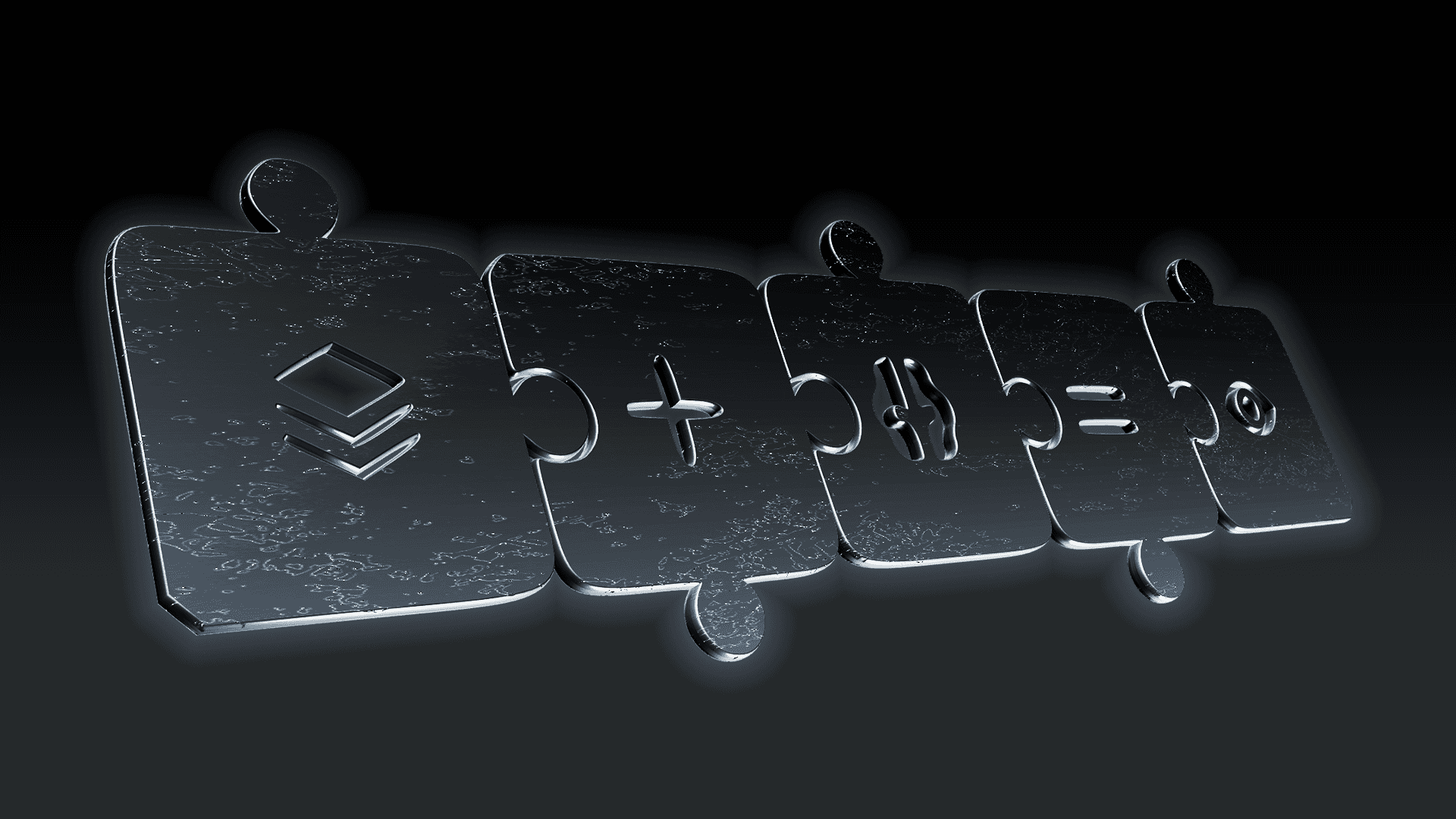
When these four phases integrate, transformation compounds. Each phase strengthens the others. Consulting investments build capability, not dependency.
The Compounding Effect
Strategy without execution is theory. Execution without strategy is chaos. Discovery without synthesis is just expensive research. Optimization without integration is impossible.
Most consulting approaches optimize for one phase without connecting to the others. They discover brilliantly but don't strategize. They strategize beautifully but don't execute. They execute tactically but don't optimize.
But when all four phases integrate—when discovery informs strategy, strategy guides execution, execution generates feedback, and optimization compounds advantage—you build transformation capability that creates sustained competitive advantage.
Because every phase validates and strengthens the previous one. Discovery reveals truth. Strategy architects solutions. Execution proves what works. Optimization ensures it keeps working as you scale.
What Changes
When transformation methodology integrates, the evidence appears everywhere:
Research insights actually shape decisions — discovery findings don't sit in folders, they inform every strategic choice you make for the next 90 days.
Strategy documents guide daily work — teams reference frameworks constantly because they're operationalized, not theoretical. Strategic alignment happens naturally.
Execution stays on track — when implementation drifts, roadmaps and playbooks bring it back. You're building what strategy promised, not improvising around it.
Systems evolve strategically — continuous feedback loops mean you're optimizing based on real outcomes, not assumptions. Competitive advantages compound over time.
Consulting investments build capability — each engagement makes your team more capable of maintaining momentum independently. You're building transformation muscle, not dependency.
Externally, you achieve category leadership. Internally, transformation feels systematic rather than scattered.
The Strategic Move
If your consulting investments haven't compounded—if discovery never informed execution, or strategy documents gathered dust—the gap is methodology, not effort.
Not more research. Not better strategy. Integration.
Begin with a Clarity Catalyst Diagnostic™. We'll audit your transformation gaps across discovery, strategy, execution, and optimization. Map where fragmentation costs competitive advantage. Design integrated methodology that ensures every phase reinforces the others. Set three moves to build transformation capability into your business.
Because the goal isn't more consulting projects. It's methodology that turns insight into sustained market authority—systematically.
The Reality
Transformation isn't a phase. It's a system.
When discovery, strategy, execution, and optimization integrate into one continuous methodology, consulting investments don't evaporate—they compound.
Every insight translates into action. Every strategy becomes operational. Every execution builds toward lasting advantage.
That's not consulting. That's transformation architecture.
And it's the only way strategic clarity becomes category leadership.
Found This Helpful?
Share It With a Founder In Need.
Fit Assessment
Find Your Transformation
Path in 4 Minutes.
In 4 min fill out our form for a fully bespoke transformation pathway for your ascent to market leadership, with your next step in your inbox within 24 hours.